

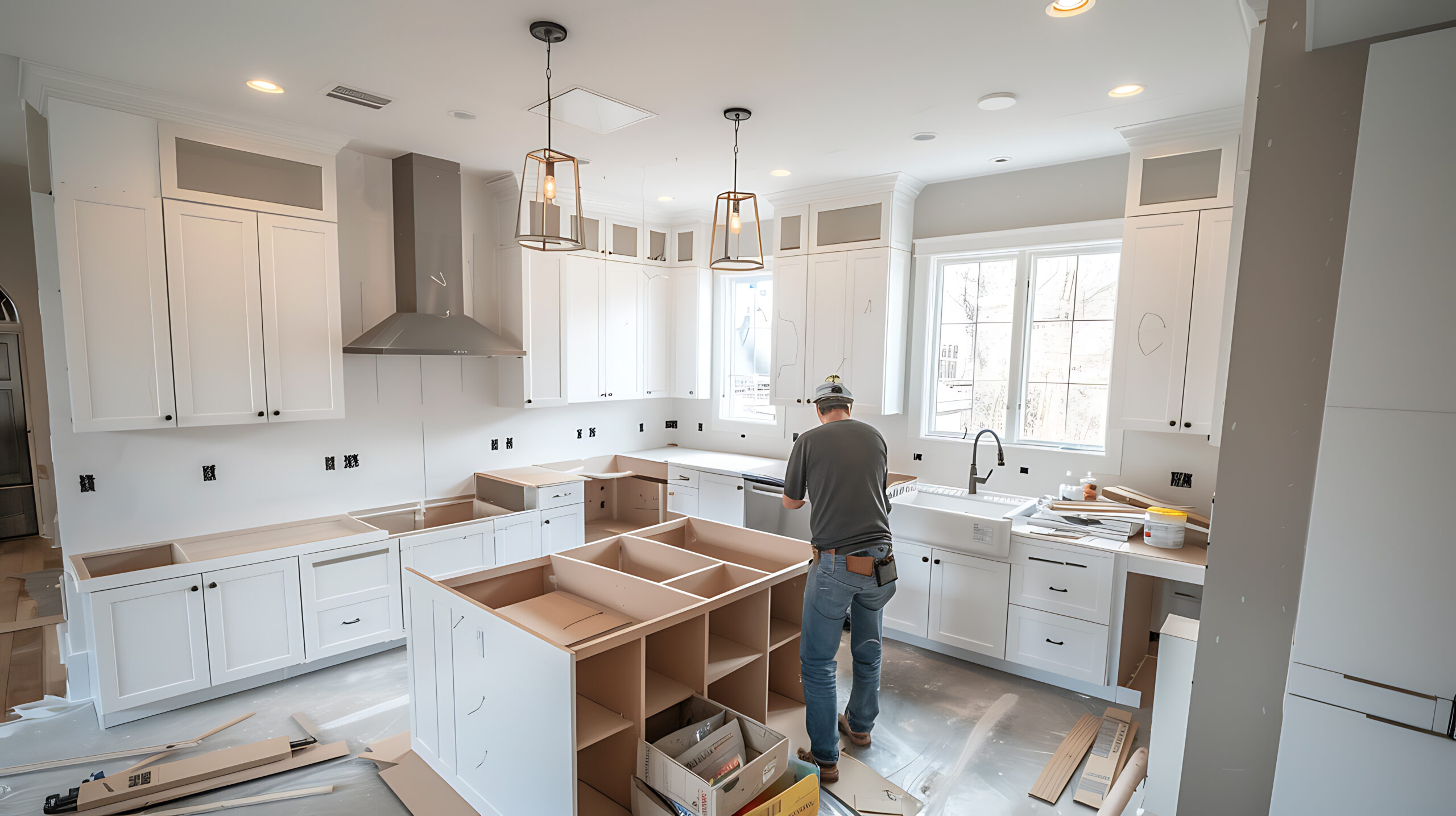
If you’re going to remodel your kitchen, one of the most important things to think about is how long a kitchen remodel will take. It can be hard to picture the whole process from start to finish when you have to make design choices, get permits, build, and add the final touches.
Knowing the timeline for a kitchen remodel can help you plan your day, set realistic expectations, and avoid extra stress. Knowing what happens at each stage makes the process go more smoothly, whether you’re just changing the finishes or doing a complete redesign with kitchen remodeling services.
In Florida, the time it takes to finish a project can change based on things like permits, the availability of materials, and the size of the project. This is a clear list of what to expect from the first call with kitchen remodel contractors to the last installation.
What a Typical Kitchen Remodeling Schedule looks like
Most kitchen remodeling projects take 6 to 12 weeks to build, plus more time to plan and design. It may take longer for bigger or custom projects, including a luxury kitchen remodel.
Here’s a quick look:
- Planning and design: 2 to 4 weeks
- Permits and approvals take 1 to 3 weeks, depending on where you live in Florida
- Ordering materials takes 2 to 6 weeks, which is often the same time as getting permits
- Building: 6 to 12 weeks
- Final walkthrough: a few days
The exact timeline will depend on how complicated the kitchen remodeling is and when decisions are made.
Phase 1: Planning and First Meeting (1–2 Weeks)
This is where ideas begin to take shape.
This is where your goals, budget, layout preferences, and any changes you want to make will be discussed. Think about how you use your kitchen every day, like how you cook, what you need for storage, how you entertain, and how you work how things work with a kitchen remodel contractor or kitchen remodeling contractor.
This is what happens during this phase:
- Measurements and evaluations of the site
- Talk about the budget
- First ideas for the layout
- Finding out what you really need and what you just want
Taking your time now will save you money later. When you know what your top priorities are, the rest of the timeline goes more smoothly.
Phase 2: Choosing Materials and Making Plans (2–4 Weeks)
Design is when your kitchen starts to look like it does in real life or on paper. The final touches on the layout, cabinet styles, countertops, lighting plans, and finishes are done, whether it’s for small kitchen remodels or a full redesign.
When designing homes in Florida, it’s important to think about the humidity, ventilation, and materials that will last in the climate.
Some important choices are:
- Setting up the cabinet
- Material for the countertop
- Floors and appliances
- Plan for lighting and electricity
- Changes to the plumbing
Ordering materials ahead of time is very important because lead times can change your whole schedule.
Step 3: Getting Permits and Approvals (1–3 Weeks)
You need permits for most kitchen remodels that involve changes to the plumbing, electrical, or structure. Each building department in Florida has its own review schedule, which can affect when the work can begin with your contractor for kitchen remodel.
Some common permits may cover:
- Updates to the electrical system
- Changes to plumbing
- Changes to the structure
- Changes to the mechanics
This step protects homeowners by making sure the work is done safely. Waiting can feel like a long time, but it keeps problems from happening during inspections or sales in the future.
Phase 4: Getting Ready for Construction (1 Week)
Before the demolition starts, a few things happen behind the scenes.
Expect:
- Confirmation of the final schedule
- Coordinating the delivery of materials
- Keeping floors and nearby areas safe
- Setting up temporary kitchen plans
A lot of homeowners don’t think this step is important, but it helps keep the project on track and cuts down on problems.
Step 5: Demolition (3–5 Days)
Demolition is quick and usually the most exciting part. Sometimes, old cabinets, countertops, floors, and even walls are taken out as part of a kitchen remodel.
You’ll see things change quickly, but it can also be loud and dusty. Proper site protection helps keep things tidy.
The area is ready for structural and mechanical work once the demolition is done.
Phase 6: Rough Construction – Plumbing, Electrical, and Framing (1–2 Weeks)
This step looks at what’s behind the walls. Before moving on, it’s important to make sure these systems are working properly during the kitchen remodeling process.
Most of the time, work includes:
- Changing or upgrading plumbing lines
- Rewiring the electrical system or adding new circuits
- Changes to the frame
- Better ventilation
Here, inspections are done to make sure everything is up to code.
Step 7: Prepare the Walls, Floors, and Surfaces (1–2 Weeks)
The kitchen starts to look like a finished room again after the rough work is done, whether it’s a small kitchen remodel or a larger project.
Some of the tasks are:
- Putting up and finishing drywall
- Primer coats for painting
- Putting in the floor
- Work on the ceiling
This stage connects the construction and finishing details, laying the groundwork for cabinets and fixtures.
Step 8: Putting in the Cabinets and Countertops (2–3 Weeks)
First, the cabinets are put in, and then the countertops are put in after the measurements are checked.
There may be a short gap between when the cabinets are installed and when the countertops are put in place because they often need to be made.
At this point:
- Cabinets are locked and lined up
- Countertops are made to fit and put in place
- The island structures are done
You will start to see how the kitchen will look, similar to a before and after kitchen remodel transformation.
Step 9: Fixtures, Appliances, and Finishes (1–2 Weeks)
The space really feels finished now.
Usually, installations include:
- Faucet and sink
- Things like appliances
- Backsplash
- Lights
- Hardware and trim
The last plumbing and electrical connections are made, and everything is tested.
Phase 10: Final Inspection and Walkthrough (A Few Days)
The last step makes sure that everything is working right and meets expectations.
What happens:
- Final checks of the code (if needed)
- Check the punch list
- Small changes
- Cleaning and giving back
This is your chance to ask questions about how to take care of and maintain things.
Things That Can Change the Timeline for Your Kitchen Remodeling
Every project is different. There are many things that can change timelines, especially in Florida when working with kitchen remodel contractors.
Things that often affect:
- Lead times for custom cabinets
- Delays in processing permits
- Surprises in the structure behind walls
- How the weather affects deliveries
- Change orders while building
Making decisions early and planning ahead can help cut down on delays.
How to Keep Your Remodeling on Track
It’s not just the contractors who make a smooth timeline; homeowners do too.
Helpful hints:
- Make your final design choices early
- Don’t make changes in the middle of a project
- Keep the lines of communication open
- Get ready for a short-term problem
- Give yourself some extra time
Being flexible can help keep stress levels low if you need to make small changes during kitchen remodeling.
What Florida Homeowners Should Expect in Detail
When remodeling a kitchen in Florida, you should think about a few things that are specific to the area, whether planning small kitchen remodels or a luxury kitchen remodel:
- Strict building codes for safety and to withstand hurricanes
- Materials that don’t absorb moisture are often suggested
- Reviews of permits may be different in each county
- It’s important to control moisture and air flow
Knowing these things helps you have realistic expectations about scheduling.
FAQs
1. How long does it usually take to remodel a kitchen?
Most projects take 6 to 12 weeks to build, plus a few weeks to plan and get permits.
2. Is it okay for me to stay at home while the kitchen is being remodelled?
Yes. A lot of homeowners stay in their homes, but having a temporary kitchen makes life easier.
3. What makes things take the longest?
The most common reasons are getting permits, making custom materials, and changing the design while building.
4. When should I buy appliances?
As soon as possible, preferably during the design phase, to avoid delivery delays that could affect installation.
5. Are cosmetic updates done in a shorter amount of time?
Yes. It can take as little as a few weeks to do small updates like replacing countertops or refacing cabinets.
Conclusion
A kitchen remodel is a big investment, but knowing how long it will take makes it a lot less stressful. Each step, from the first planning to the last installation, gets you closer to a space that works better for your daily life.
When you set clear goals, plan ahead, and keep in touch with your kitchen remodeling contractor, the process becomes easier and even fun. You can move forward with confidence as your kitchen changes from idea to reality if you take the time to understand what will happen next.